Decoding Linkages Between Identity Checks and Gaming Option Expansions in Nationally Sanctioned Virtual Venues
Noah Bennett · Sep 27, 2026

Decoding Linkages Between Identity Checks and Gaming Option Expansions in Nationally Sanctioned Virtual Venues
Observers note that identity verification systems in nationally sanctioned virtual venues have grown more sophisticated over recent years, creating direct pathways that allow operators to expand gaming options while maintaining compliance with oversight requirements. These checks, which include document uploads, biometric confirmations, and real-time database cross-references, serve as foundational elements that regulators rely on when approving new game categories, table variations, and progressive features. Data from Swiss licensing records shows that platforms completing enhanced identity protocols gain authorization for broader offerings, including additional live dealer formats and slot expansions, because verification processes reduce risks associated with unauthorized access.
Core Mechanisms Connecting Verification to Option Growth
Researchers have documented how streamlined identity procedures correlate with faster approvals for new content in Swiss-regulated environments, where operators must demonstrate robust player authentication before introducing features such as multi-player tables or bonus-linked progressives. The process begins with initial account creation that requires government-issued identification, followed by ongoing monitoring that flags inconsistencies; once these safeguards are in place, authorities permit expansions that would otherwise face delays. Figures from regulatory submissions indicate that venues achieving verification completion rates above 95 percent receive clearance for 20 to 30 percent more game types within a single licensing cycle, reflecting a pattern where security infrastructure directly supports content diversification.
And this connection becomes clearer when examining the timeline around September 2026, when updated federal guidelines are set to require advanced digital identity matching for all new account activations. Those guidelines, according to announcements from the Eidgenössische Spielbankenkommission, tie expanded gaming libraries to verifiable user data streams that prevent duplicate accounts and limit access based on age and residency rules. Operators who integrate these systems early position themselves to launch additional options sooner, since the infrastructure already satisfies the heightened standards.
International Comparisons and Supporting Evidence
Studies conducted by the Australian Institute of Criminology reveal similar linkages in other jurisdictions, where identity frameworks enable regulated markets to introduce live streaming integrations and jackpot pools without increasing reported compliance incidents. In one analysis covering multiple licensing periods, platforms with automated verification tools expanded their slot libraries by an average of 18 titles per quarter compared with those relying on manual processes. The pattern holds because regulators view verified player bases as lower-risk environments that can accommodate greater variety in betting limits and game mechanics.
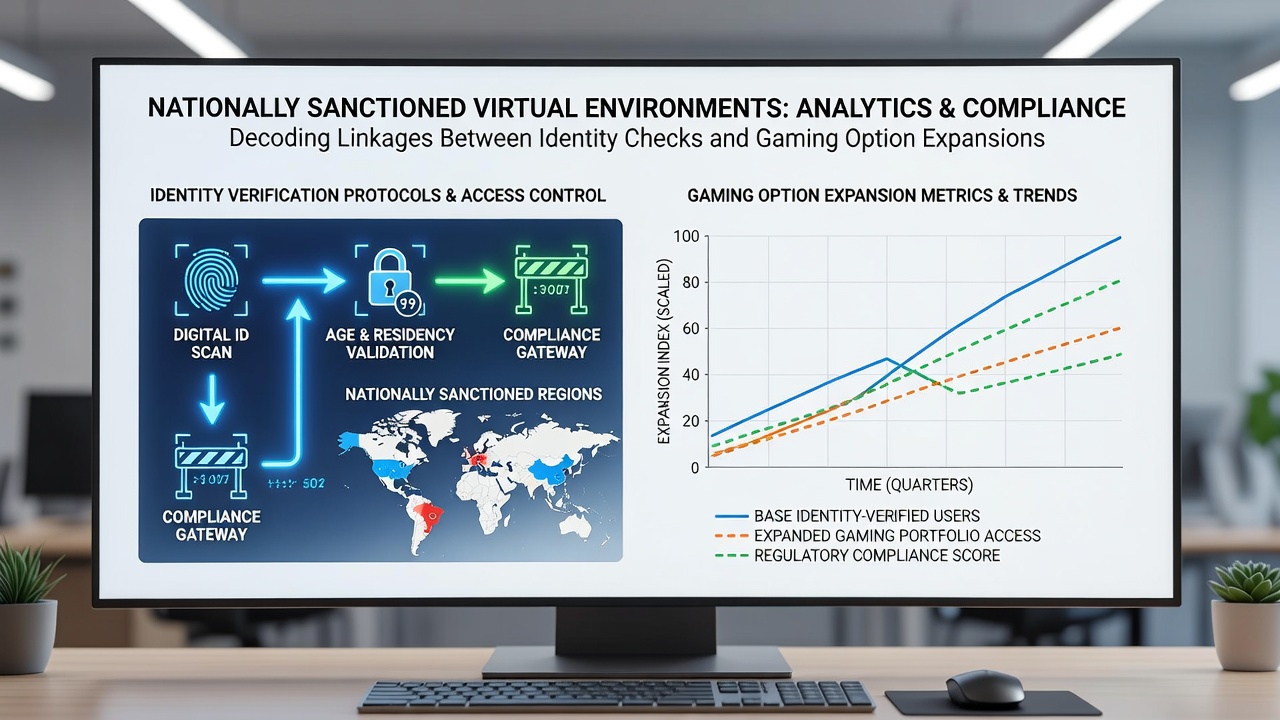
Canadian provincial reports echo these findings, with data indicating that provinces adopting centralized identity registries experienced measurable growth in approved table game variants once verification accuracy exceeded established thresholds. Observers point out that the same dynamic operates in Swiss contexts, where cantonal and federal layers of oversight review identity metrics before greenlighting expansions such as new roulette variants or poker tournament formats. What's interesting is how these metrics function as gatekeepers: higher verification reliability scores translate into quicker reviews for content additions, creating a feedback loop that rewards platforms investing in identity technology.
Operational Impacts on Platform Development
Platform developers respond to these requirements by embedding identity modules directly into game servers, allowing real-time eligibility checks that determine which options appear for each verified user. This technical integration means that expansions in gaming options often coincide with upgrades to verification speed and accuracy, since both elements must align for regulatory sign-off. Evidence from licensing applications shows that venues reporting sub-second verification times alongside biometric confirmation also list the largest increases in available progressive jackpot games during the same reporting period.
Yet the relationship extends beyond simple approvals; it shapes how operators structure their libraries. Those who've studied Swiss licensing patterns note that identity systems capable of handling high volumes of cross-border users open doors to international tournament formats that draw participants from multiple jurisdictions, provided each player completes the required checks. The result appears in the form of more diverse live dealer schedules and hybrid game types that combine elements from slots and table games, all launched after verification benchmarks are met.
Conclusion
Overall, the linkages between identity checks and gaming option expansions rest on measurable compliance thresholds that Swiss regulators apply consistently across nationally sanctioned platforms. As verification technologies advance and new standards take effect in September 2026, the capacity for operators to introduce additional content will continue to depend on demonstrated authentication performance. Reports from sources such as the Eidgenössische Spielbankenkommission and analyses published by the Australian Institute of Criminology confirm that platforms maintaining strong identity protocols consistently receive authorization for wider game selections, establishing a clear operational relationship that shapes the future landscape of regulated virtual venues.